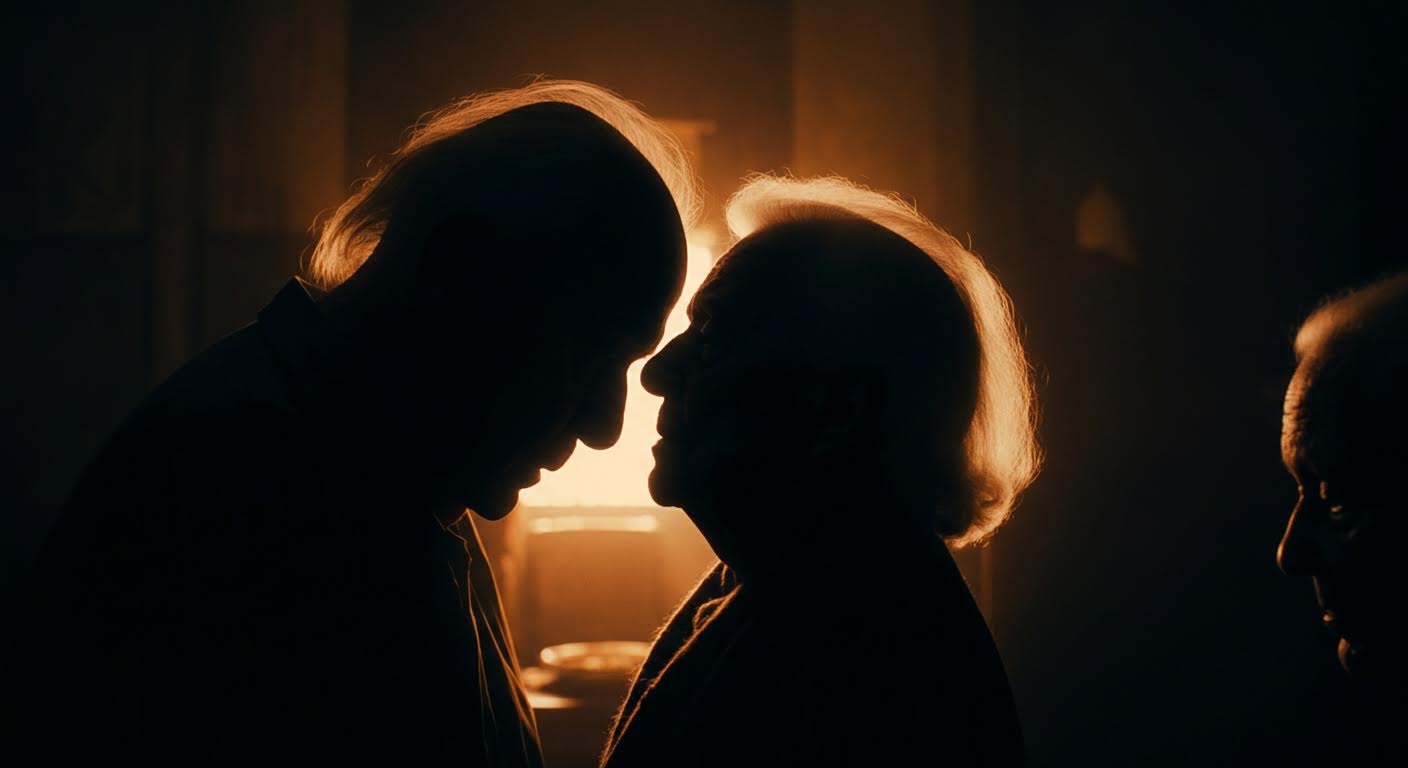
Uncovering your family name's origin story involves a personal quest combining oral history interviews with genealogical research. This guide provides a step-by-step framework for discovering this legacy and using a private family network like Kinnect to permanently save and share it.
A family name origin story is the narrative history explaining the etymological, geographical, and cultural roots of a surname. It traces how a name was derived—often from an occupation, location, ancestor's name, or a personal characteristic—and follows its journey through generations, revealing a family's historical context and identity.
Kinnect is now LIVE! Start your private family group today.
👉 Try Kinnect on the Web
👉 Download the iOS App
I remember the last time I heard my grandfather say his own name. It was on a voicemail, a simple message about picking something up from the store. I deleted it, of course. It was just logistics. A year later, he was gone, and I would have given anything to hear him say that name—our name—one more time. We know our names our whole lives, but most of us never learn their first chapter. It’s not written in a history book; it lives in half-remembered anecdotes, in the memories of our elders, and in dusty records waiting to be found.
Other guides will give you a generic definition, telling you that the name 'Smith' comes from blacksmiths. But they don't help you find the story of your Smith. Was he the only one in his village? What did he build? Who did he love? This isn't just an academic exercise. This is a rescue mission. It’s about finding the human story behind the label you carry and turning it into a legacy that can never be deleted.
Your Step-by-Step Guide to Uncovering Your Name's Legacy
Step 1: Start with the Living History Books
Before you touch a keyboard, pick up the phone. The richest clues are often held by the elders in your family—your parents, grandparents, aunts, and uncles. But don't just ask, "Where did our name come from?" Ask for stories. "What's the oldest family story you remember?" "Who was the first person in our family to come to this country?" "What did Grandpa's parents do for a living?" These conversations are the heart of the search. Our own data shows a startling Legacy Preservation Gap: 85% of adults wish they had recorded their parents' voices, but almost no one has a plan to do so. This is your plan. Record these calls (with permission) and treat them like the treasures they are.
Step 2: Become a Digital Detective
With the oral history as your map, it's time to explore the archives. Don't be intimidated; the tools available today are incredible. Start with free resources like FamilySearch, which is run by The Church of Jesus Christ of Latter-day Saints and has a massive, free database of genealogical records. Look for census records, immigration documents, and marriage certificates. These documents often list occupations and places of birth, which are huge clues to your name's origin. If you hit a wall, services like Ancestry.com can provide more extensive records and even DNA connections to help you fill in the gaps.
The Hidden Variable: The Story Beyond the Name
Here’s the secret that most genealogical research misses: the goal isn't just to find out your name means "Hill-dweller." The real discovery is learning about the first person in your line who lived on that hill. What was their life like? Why did they settle there? The etymology is the headline, but the human experience is the story. The most meaningful legacy isn't the definition of the word; it's the narrative of the people who carried it. That's the part that connects us, the part that makes a name feel like home.
Step 3: Document and Share Your Discovery
You've done it. You've pieced together the story. Now, you have to protect it. Don't let this precious history get lost on a forgotten hard drive or buried in a social media feed designed for temporary updates. Write the story down. Scan the documents you found. Save the audio recordings of your family members. This narrative is a powerful tool for connection. Research from the Journal of Family Psychology found that in families with regular storytelling traditions, children show 37% higher scores on family cohesion. Your name's origin story is the ultimate family story.
But where do you put it? Public platforms are built for broadcast, not preservation. Group texts are filled with what we call 'Messaging Noise'—memes and logistical chatter that bury the important things. This story deserves a permanent, private, and sacred home where it can be the foundation for future generations. It deserves a place built for connection, not distraction.
That's why we built Kinnect. It's a private space for your family to save these priceless stories, share photos and documents, and record the voices of your loved ones in a permanent family archive. It’s not about broadcasting to the world; it’s about preserving your world for your family. You can build your family's story, chapter by chapter, in a space that’s safe, ad-free, and designed to last forever.
How do I find the origin of my last name?
Start by interviewing older relatives for oral history and clues. Then, use that information to search genealogical websites like FamilySearch and Ancestry.com for documents like census records and immigration papers that can reveal a name's geographical or occupational roots.
What are the 4 types of surnames?
The four primary categories of surnames are Patronymic (derived from a father's name, like 'Johnson' for 'son of John'), Locational (from a geographical place, like 'Hill'), Occupational (from a person's trade, like 'Smith'), and Descriptive (from a nickname or characteristic, like 'Armstrong').
What is the oldest surname in the world?
While records from antiquity are sparse, one of the strongest contenders for the oldest recorded surname is the Irish name O'Cleirigh (O'Clery). The death of the lord of Aidhne, Tigherneach Ua Cleirigh, was recorded in the Annals of the Four Masters in the year 916 A.D.
Learn more at Kinnect.
